- whitmorepharmacy@gmail.com
- +44 1268 520100
Menu
Menu
Infected Insect Bite Treatment in Basildon, Essex
Most insect bites and stings are mild and resolve on their own. But when a bite becomes infected, it needs prompt attention. At Whitmore Pharmacy in Basildon, our pharmacists can assess infected bites under the NHS Pharmacy First scheme and provide antibiotic treatment where clinically appropriate.
What are Infected Insect Bites?
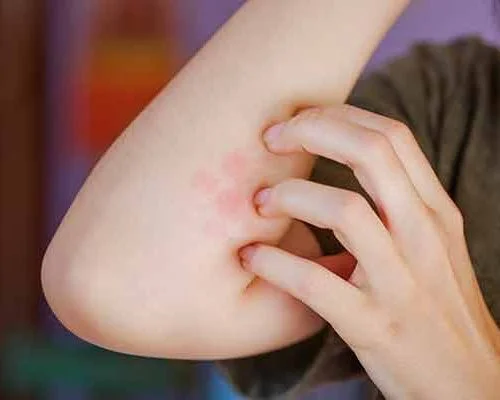
When an insect bites or stings, it breaks the skin and introduces bacteria. This can lead to a localised infection. Common culprits include mosquitoes, horseflies, ticks, midges, gnats, and fleas. Bites become infected when they are scratched or when bacteria enter through broken skin.
Signs That a Bite is Infected
- Increasing redness and swelling around the bite
- Warmth and tenderness to touch
- Pus or discharge from the bite
- Red streaks spreading out from the bite
- Swollen lymph nodes nearby
- Fever or feeling generally unwell
How We Treat Infected Bites
Our pharmacist will assess the bite and decide on the most appropriate course of treatment:
- Mild infection: Topical antibiotic cream and self-care advice
- Moderate infection: Oral antibiotics such as flucloxacillin
- Severe infection or systemic symptoms: Urgent GP or A&E referral
Self-Care for Insect Bites
- Clean the area with soap and water
- Apply a cold compress to reduce swelling
- Take antihistamines for itching
- Use hydrocortisone cream to reduce inflammation
- Avoid scratching — this introduces bacteria and delays healing
When to Seek Urgent Care
Go to A&E immediately if you develop difficulty breathing, swelling of the face or throat, or signs of severe allergic reaction (anaphylaxis) after a bite or sting. This is a medical emergency.
Book An Appointment
Private Clinical Consultation
Our experienced pharmacists provide more than just a jab; we deliver a full clinical risk assessment tailored to your itinerary and medical history.
Book an appointment
Preparing for a sacred journey or a global adventure can be stressful, which is why our Basildon pharmacy offers flexible booking slots to fit your schedule.
Expert Pharmacy Guidance
For many destinations, official documentation is just as important as the vaccine itself. Upon receiving your vaccination at Whitmore pharmacy
Useful Links:
Browse the trusted links below to find helpful information and the latest guidance on infected insect bites, treatments, and NHS health advice:
Normal bite reaction settles within 2 to 3 days. Infection is characterised by worsening redness, swelling, warmth, and the presence of pus. If you're unsure, come in and let our pharmacist take a look.
Yes, if safe to do so. Use fine-tipped tweezers to grasp the tick as close to the skin as possible and pull upward with steady pressure. Do not twist or crush it. Come in after removal if you notice signs of infection or a bull's-eye rash, which can indicate Lyme disease.
Our Pharmacy In London
- Whitmore Pharmacy
- 418 Whitmore Way, Basildon SS14 2HB, United Kingdom
- +44 1268 520100
- whitmorepharmacy@gmail.com
Quick Links
Pharmacy Info
Reach Us
- Name: whitmorepharmacy
- 418 Whitmore Way, Basildon SS14 2HB, United Kingdom
- whitmorepharmacy@gmail.com
- +44 1268 520100
Working Hours
- Monday - Friday : 09.00 am - 06.00 pm
- Saturday : 09.00 am - 01.00 pm
- Sunday : Closed
Copyright © 2026 Whitmorepharmacy. All rights reserved.
Website Designed & Developed by Pharmawebexpert
Quick Links
Pharmacy Info
Reach Us
- Name: whitmorepharmacy
- 418 Whitmore Way, Basildon SS14 2HB, United Kingdom
- whitmorepharmacy@gmail.com
- +44 1268 520100
Working Hours
- Monday - Friday : 09.00 am - 06.00 pm
- Saturday : 09.00 am - 01.00 pm
- Sunday : Closed